
What To Look For When Buying a Refurbished Desktop
Buying a refurbished desktop has become a practical and increasingly popular choice for businesses, professionals, students, and even home users who want reliable computing power without paying the premium price of brand-new hardware. As technology evolves quickly, desktops often reach the secondary market long before they become obsolete, making refurbished systems a smart and sustainable option.
However, not all refurbished desktops are created equal. Knowing what to evaluate before making a purchase is essential to ensure long-term performance, reliability, and value for money. This guide explores the most important factors to consider when buying a refurbished
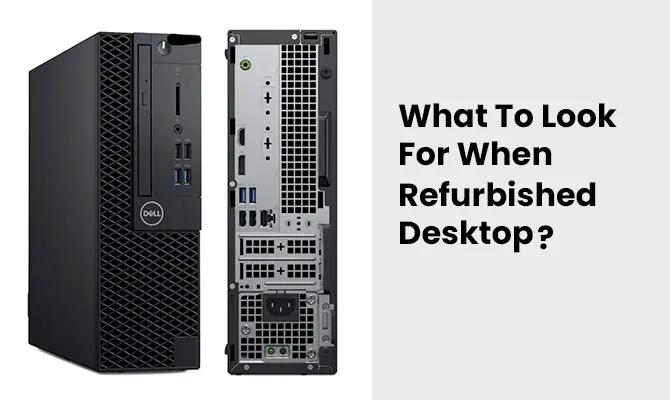
Buying a refurbished desktop has become a practical and increasingly popular choice for businesses, professionals, students, and even home users who want reliable computing power without paying the premium price of brand-new hardware. As technology evolves quickly, desktops often reach the secondary market long before they become obsolete, making refurbished systems a smart and sustainable option.
However, not all refurbished desktops are created equal. Knowing what to evaluate before making a purchase is essential to ensure long-term performance, reliability, and value for money. This guide explores the most important factors to consider when buying a refurbished desktop, helping buyers make confident, informed decisions.
What Is A Refurbished Desktop?
A refurbished desktop is not simply a used computer. It typically refers to a system that has been professionally inspected, repaired if necessary, tested, cleaned, and restored to full working condition before being resold. These systems may come from corporate upgrades, lease returns, demo units, or surplus inventory.
Unlike casual second-hand devices, refurbished desktops undergo structured quality checks. Components such as processors, memory, storage drives, power supplies, and motherboards are evaluated to ensure stable performance. This refurbishment process is what differentiates a reliable refurbished system from an unknown used machine.
Why Refurbished Desktops Are Gaining Popularity
Refurbished desktops offer a balance of affordability, performance, and sustainability. Buyers can access business-grade hardware at a fraction of the original cost, often with specifications that outperform entry-level new systems.
For organizations and individuals focused on cost efficiency, refurbished desktops reduce capital expenditure without compromising productivity. They also support environmental responsibility by extending the lifecycle of electronic equipment and reducing e-waste. The growing acceptance of refurbished technology has made it easier to find professionally restored systems with warranty and after-sales support.
Assessing Your Performance Requirements First
Before evaluating any refurbished desktop, it is important to understand how the system will be used. Performance requirements vary significantly depending on tasks such as office productivity, software development, graphic design, data processing, or point-of-sale operations.
Identifying workload needs helps buyers select appropriate processor configurations, memory capacity, and storage type. This step prevents overspending on unnecessary specifications or underinvesting in hardware that may struggle under daily workloads. Matching system capability to actual usage is the foundation of a successful purchase.
Processor and Generation Considerations
The processor is the core of any desktop system. When buying a refurbished desktop, pay close attention to the processor brand, model, and generation. Business-class processors are designed for durability and multitasking, making them well-suited for long-term use.
Newer processor generations generally offer better performance per watt, improved security features, and enhanced efficiency. However, slightly older generations can still deliver excellent performance for most business and home applications. Understanding processor capabilities helps ensure the refurbished system remains relevant for years.
Memory Configuration and Upgrade Flexibility
RAM plays a critical role in system responsiveness and multitasking performance. A refurbished desktop should have sufficient memory to handle daily workloads comfortably.
Equally important is the system’s ability to support future upgrades. Expandable memory slots allow users to increase RAM as needs evolve, extending the usable life of the desktop. Choosing a refurbished system with flexible upgrade options adds long-term value and adaptability.
Storage Type and Data Reliability
Storage affects boot speed, application load times, and overall system responsiveness. Many refurbished desktops now come equipped with solid-state drives, which offer significant performance advantages over traditional hard drives.
When evaluating storage, consider both capacity and reliability. Professionally refurbished systems ensure storage drives are tested for health and performance before resale. Reliable storage contributes directly to user satisfaction and productivity.
Build Quality and Form Factor
One advantage of refurbished desktops is access to enterprise-grade build quality. Business desktops are engineered for continuous operation, thermal efficiency, and durability.
Form factor is another consideration. Compact desktops save space and suit modern work environments, while tower systems offer greater expandability. The right form factor depends on workspace constraints and future upgrade plans. A sturdy, well-designed chassis often outlasts consumer-grade alternatives.
Graphics Capabilities and Display Support
Graphics requirements vary based on usage. Standard integrated graphics are sufficient for office tasks, web browsing, and basic multimedia. More demanding applications such as design or video editing may require dedicated graphics support.
Checking display output options is also important, especially for users who rely on multiple monitors. Refurbished desktops often support dual or triple displays, improving productivity. Ensuring graphics compatibility avoids limitations after deployment.
Connectivity and Port Availability
Connectivity determines how easily a desktop integrates into an existing setup. USB ports, display outputs, Ethernet connectivity, and audio jacks should match current and future needs.
Modern refurbished desktops often include a mix of legacy and newer ports, allowing compatibility with a wide range of peripherals. Adequate connectivity reduces the need for adapters and additional accessories. Evaluating port availability helps ensure seamless daily use.
Operating System Licensing and Software Readiness
A refurbished desktop should come with a properly licensed operating system installed and configured. This ensures compliance, security updates, and long-term usability.
Pre-installed operating systems also save setup time and allow users to start working immediately. Buyers should confirm that the OS version is supported and suitable for their applications. Legitimate software installation is a key indicator of professional refurbishment.
Quality Testing and Certification Standards
Reputable refurbishers follow structured testing processes to verify system stability and component performance. Stress testing, diagnostics, and functional checks help identify potential issues before resale.
Some refurbished desktops undergo certification programs that validate refurbishment quality. These processes ensure consistency, reliability, and accountability. Quality testing is essential for minimizing post-purchase issues.
Warranty Coverage and After-Sales Support
Warranty is one of the most important factors when buying a refurbished desktop. It reflects the seller’s confidence in product quality and provides peace of mind to buyers.
A reasonable warranty period covers hardware defects and operational failures, reducing risk. Responsive after-sales support further enhances the buying experience. Warranty-backed refurbished desktops offer significantly lower risk compared to informal second-hand purchases.
Price Transparency and Total Value
While affordability is a major reason for choosing refurbished desktops, buyers should look beyond the lowest price. Transparent pricing that reflects configuration, condition, testing, and warranty provides better long-term value.
A slightly higher upfront cost can result in lower maintenance expenses, better performance, and longer usable life. Value should be evaluated holistically rather than based on price alone.
Sustainability and Responsible Technology Consumption
Buying refurbished desktops supports sustainable technology practices by reducing electronic waste and conserving resources. Extending the lifecycle of devices lowers environmental impact and supports circular economy principles.
Organizations and individuals increasingly consider sustainability when making technology decisions. Refurbished desktops align well with responsible consumption goals. This environmental benefit adds an important non-financial advantage.
Why Renew TechMart Stands Out in Refurbished Desktop Solutions
Renew TechMart has built its reputation around delivering professionally refurbished desktops that meet modern performance and reliability expectations. Each system undergoes structured inspection, component testing, and quality assurance before reaching customers.
The company focuses on sourcing enterprise-grade desktops, ensuring durability and consistent performance. Transparent product specifications, proper operating system installation, and warranty-backed offerings provide buyers with confidence and peace of mind.
Renew TechMart’s emphasis on quality refurbishment, customer support, and sustainable practices aligns perfectly with what informed buyers should look for when purchasing a refurbished desktop. This approach helps customers achieve better value while reducing risk and environmental impact.
Conclusion
Buying a refurbished desktop can be a smart, cost-effective, and sustainable choice when approached with the right knowledge. Understanding performance requirements, component quality, testing standards, and warranty coverage allows buyers to make informed decisions that deliver long-term benefits.
Refurbished desktops are no longer a compromise but a strategic alternative to new systems, especially when sourced from trusted providers. By focusing on reliability, transparency, and value, buyers can secure systems that meet modern computing demands without unnecessary expense.
With careful evaluation and the right partner, refurbished desktops become a reliable foundation for productivity, growth, and responsible technology use.

 Call Now